




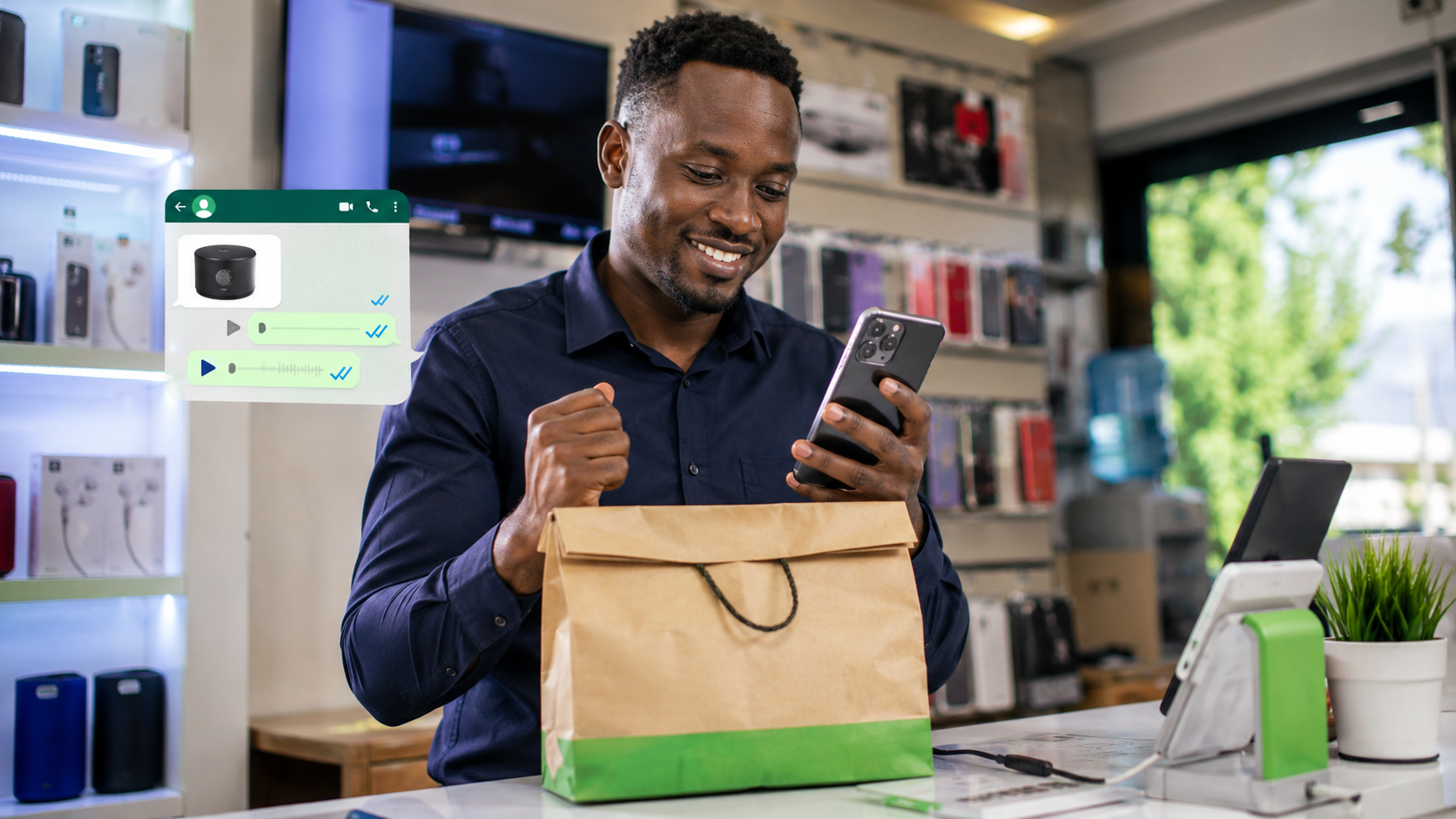
The highest-leverage, lowest-cost WhatsApp tactics Kenyan retailers, salons, restaurants, and service businesses are already using to sell more.
PART OF THE GADGETPACK WHATSAPP SERIES
This article is part of GadgetPack's complete guide, “How Small Businesses in Kenya Can Use WhatsApp to Drive Sales.”
Read the complete guide: How Small Businesses in Kenya Can Use WhatsApp to Drive Sales
Related: How to Set Up WhatsApp Business in Kenya (Step by Step)
Related: 15 WhatsApp Business Mistakes Killing Your Sales
Why These 10 Strategies
WhatsApp sits at or near the top of Kenya's digital habits, used by well over half the population according to recent industry surveys, and it is the platform most Kenyan SMEs already check hourly, according to a peer-reviewed study in the Journal of International Entrepreneurship comparing SME social media use in Nairobi and Lagos. The strategies below are the highest-leverage, lowest-cost tactics already working for Kenyan retailers, salons, restaurants, and service businesses.
✦ TIP: How to use this list
Don't try all ten at once. Pick two or three that fit your business model, implement them properly, and measure the impact before adding more.
The 10 Strategies
1. Build a Product or Service Catalogue
What it is: A visual, browsable list of what you sell, complete with photos, prices, and descriptions, built directly inside WhatsApp Business.
Why it works: Customers can browse and select items without you typing out the same product list dozens of times a day, and they can forward individual product links to friends, turning every customer into a potential referral channel.
Kenyan example: A Nairobi fashion boutique uploads its latest arrivals every Monday, with sizes and prices in the description, so customers can shop the collection without needing a website.
Tools needed: WhatsApp Business app (free), product photos taken on a smartphone. Expected impact: Fewer repetitive questions, faster decision-making, and a lower barrier for new customers to place a first order.
2. Use Broadcast Lists for Promotions
What it is: A way to send the same message to many opted-in customers at once, with each person receiving it as a private, individual chat rather than a visible group.
Why it works: Because messages land in a private one-to-one thread rather than a crowded group or a skippable social feed, direct messaging tends to get read far more reliably than a public post or an email newsletter.
Kenyan example: A Mombasa pharmacy sends a monthly broadcast to loyal customers about new stock, flu-season offers, or restocked prescription refills.
Tools needed: WhatsApp Business broadcast lists (free, capped by contact limits), a customer contact list built with consent. Expected impact: Repeat purchases from existing customers with minimal extra effort, provided the list is used sparingly and respectfully.
3. Set Up Automated Greeting and Away Messages
What it is: Pre-written messages that fire automatically when a customer messages you for the first time, or outside your working hours.
Why it works: It manages expectations immediately, so a customer messaging at 9 p.m. knows when to expect a reply instead of assuming they've been ignored and moving to a competitor.
Kenyan example: A Kisumu hardware store's away message confirms operating hours and offers an emergency contact number for urgent trade orders.
Tools needed: WhatsApp Business's built-in Greeting Message and Away Message settings (free). Expected impact: Fewer lost leads from customers who message outside business hours.
4. Create Quick Replies for Common Questions
What it is: Saved, reusable answers you can insert with a short keyword shortcut, for questions like pricing, delivery areas, or payment details.
Why it works: It cuts response time dramatically during busy periods, which matters because slow replies are one of the most common reasons online shoppers abandon a purchase mid-conversation.
Kenyan example: A Nairobi restaurant sets up a Quick Reply for its daily menu and another for the delivery zones covered by riders that day.
Tools needed: WhatsApp Business app's Quick Replies feature (free). Expected impact: Faster response times, more consistent answers across staff, and fewer abandoned conversations.
5. Organise Customers with Labels
What it is: Colour-coded tags applied to chats, such as New Lead, Order Placed, Payment Pending, or Delivered, so nothing falls through the cracks.
Why it works: As order volume grows, it becomes impossible to track dozens of conversations by memory alone. Labels turn WhatsApp into a lightweight order-tracking system without needing separate software.
Kenyan example: An online electronics seller in Nairobi labels chats by order stage so staff can quickly filter who still owes payment before dispatch.
Tools needed: WhatsApp Business app's Labels feature (free). Expected impact: Fewer missed follow-ups and unpaid or unfulfilled orders slipping through, especially useful during peak seasons.
6. Add Click-to-WhatsApp Ads on Facebook and Instagram
What it is: Meta ads that, instead of sending someone to a website, open a pre-filled WhatsApp chat with your business the moment they tap the ad.
Why it works: It removes the friction of a separate website or landing page entirely and takes advantage of the same trust and immediacy that makes WhatsApp conversations convert well in the first place.
Kenyan example: A Nairobi beauty salon runs a small weekly ad budget promoting a facial package; interested customers tap through straight into a booking conversation.
Tools needed: A Meta Business Suite / Ads Manager account, a WhatsApp Business number, and a modest ad budget (from a few hundred shillings a day). Expected impact: A steady, trackable stream of new leads with a shorter path from ad click to conversation than a typical website funnel.
7. Use a WhatsApp QR Code In-Store and On Packaging
What it is: A scannable code that opens a chat with your business instantly, placed on receipts, shop signage, business cards, or product packaging.
Why it works: It converts foot traffic and existing customers into a permanent, opted-in digital contact, turning a one-time in-person visit into an ongoing relationship you can re-engage later.
Kenyan example: A Nakuru electronics shop prints its WhatsApp QR code on every receipt so walk-in customers can easily reach the shop for warranty claims or repeat orders.
Tools needed: WhatsApp Business app's built-in QR code generator (free), printed materials. Expected impact: Higher repeat-purchase rates from customers who would otherwise have no easy way to reconnect with the business.
8. Turn Customer Testimonials into Status Updates
What it is: Sharing photos, screenshots of happy customer messages, or short videos to your WhatsApp Status, visible to everyone who has your number saved.
Why it works: Status updates function like a free, always-on advertising feed to your most engaged audience, your existing customers and contacts, with none of the algorithm limitations that other social platforms impose.
Kenyan example: A Thika catering business posts photos from each weekend's events, tagging the type of function, which regularly generates new booking enquiries.
Tools needed: A smartphone camera, WhatsApp's built-in Status feature (free). Expected impact: Increased brand visibility among an audience that has already chosen to save your number, typically your warmest leads.
9. Integrate M-PESA Payment Details Directly into the Sales Chat
What it is: Sharing Till Number, Paybill, or Pochi la Biashara details, or an M-PESA payment link, at the exact moment a customer confirms an order.
Why it works: It removes the single biggest source of drop-off in online selling: the gap between deciding to buy and actually being able to pay, without redirecting the customer to a separate app or website.
Kenyan example: A Nairobi online fashion seller confirms size and price, sends the Till Number, and asks for the M-PESA confirmation message before dispatching, all inside one chat thread.
Tools needed: A registered M-PESA Till, Paybill, or Pochi la Biashara account. Expected impact: Fewer abandoned orders and faster order-to-payment turnaround, which also improves cash flow.
10. Build Loyalty Through Personal Follow-Ups
What it is: Simple, well-timed check-ins after a purchase, such as asking whether a product arrived safely or a service met expectations.
Why it works: Personal follow-up is difficult to scale on other channels but easy on WhatsApp, and it is one of the most reliable ways to generate repeat business and word-of-mouth referrals.
Kenyan example: A Nairobi salon messages clients two to three weeks after a treatment to remind them it may be time for a top-up, alongside a small loyalty discount.
Tools needed: WhatsApp Business app, a simple spreadsheet or the Labels feature to track purchase dates. Expected impact: Measurable increases in repeat-customer rate and referrals, generally the cheapest sales you will ever make.
Quick Reference: Strategy vs. Primary Benefit
| Strategy | Primary Benefit |
| 1. Product Catalogue | Faster browsing-to-purchase journey |
| 2. Broadcast Lists | Efficient repeat-customer marketing |
| 3. Greeting & Away Messages | No lost after-hours leads |
| 4. Quick Replies | Faster response times |
| 5. Labels | Organised order tracking |
| 6. Click-to-WhatsApp Ads | Trackable new-lead generation |
| 7. QR Codes | Converts foot traffic to digital contacts |
| 8. Status Updates | Free advertising to warm audience |
| 9. M-PESA in Chat | Fewer abandoned orders |
| 10. Personal Follow-Ups | Higher repeat-purchase rate |
Frequently Asked Questions
Which of these strategies should I start with?
Start with a complete catalogue and Quick Replies, they require no ad spend and immediately improve how fast and clearly you can respond to customers. Add broadcast lists and follow-ups once your response process feels solid.
Do I need to spend money on any of these?
Only Click-to-WhatsApp ads require a budget. The other nine strategies use built-in, free features of the WhatsApp Business app.
How often should I post to WhatsApp Status for marketing?
A few times a week is typically enough to stay visible without feeling repetitive; daily posting works if the content genuinely varies (new stock, behind-the-scenes, testimonials).
Is it safe to share M-PESA details over WhatsApp?
Yes, sharing your own Till, Paybill, or Pochi la Biashara number is standard practice. Never ask customers to share their M-PESA PIN, and be cautious of anyone asking you to share yours.
Putting It All Together
These ten strategies work best layered on top of a properly configured WhatsApp Business account. If you haven't set up your Business Profile, catalogue, and Labels yet, start with GadgetPack's “How to Set Up WhatsApp Business in Kenya” guide first. And once you're actively selling, it's worth reviewing “15 WhatsApp Business Mistakes Killing Your Sales” to make sure none of these strategies are being undermined by an avoidable error.
