




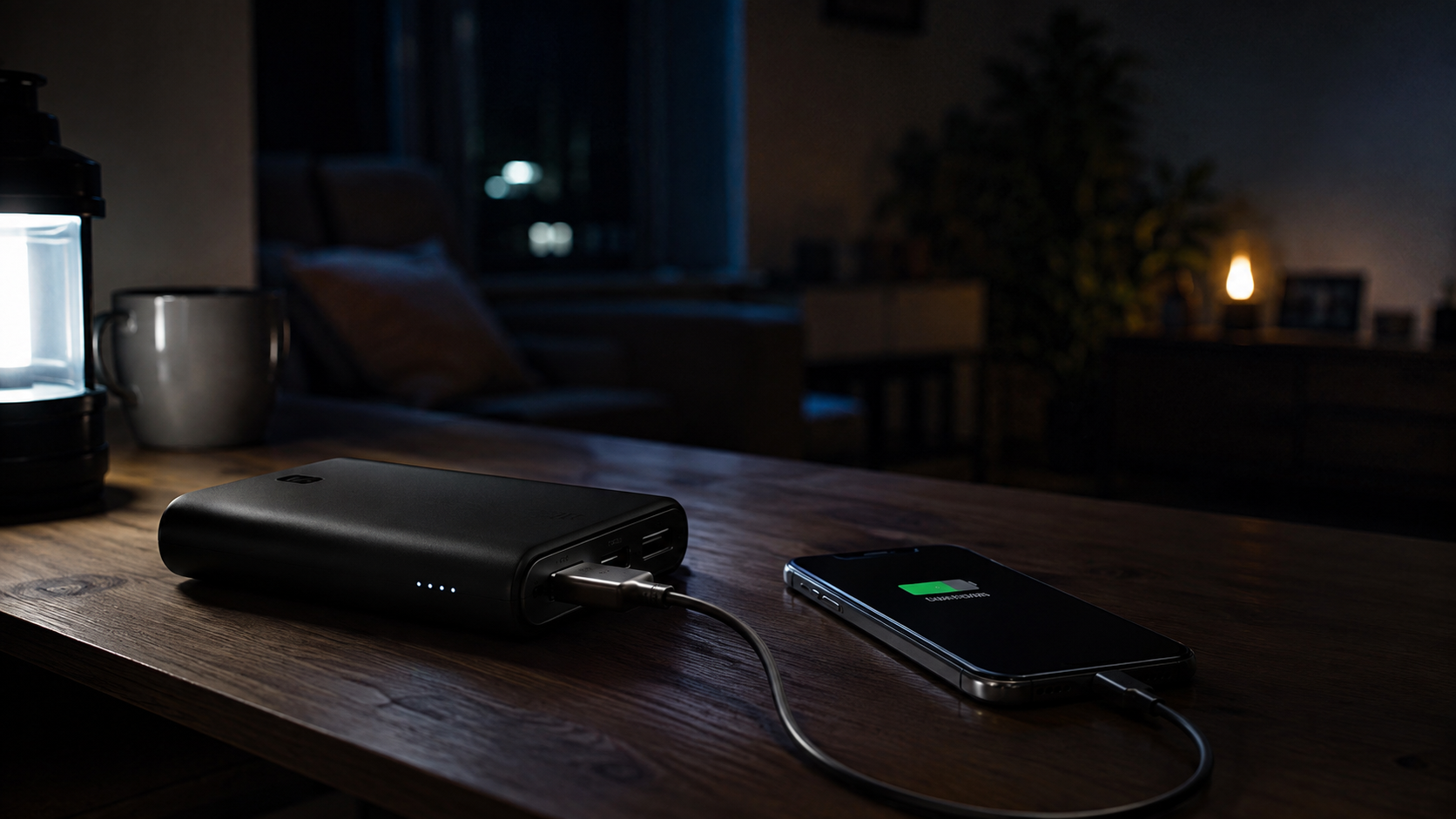
The One Gadget Load-Shedding Makes Non-Negotiable
When power outages hit, a reliable power bank stops being a nice-to-have accessory and becomes essential infrastructure for staying connected. But power bank price in Kenya varies enormously for products that all claim similar capacity numbers on the box, and unfortunately, capacity claims are one of the most commonly exaggerated specs in this entire product category.
Why Advertised Capacity and Real Capacity Often Differ
A power bank advertised at a certain mAh capacity will never deliver that full amount to your phone, due to energy loss in conversion, this is normal and expected, typically 20-30% loss even from genuine, well-made units. The real problem in the Kenyan market is unbranded or counterfeit power banks that advertise a capacity far beyond what the actual battery cells inside can deliver, sometimes using undersized cells stuffed into an oversized-looking case.
What to Check Before Buying
Weight is a surprisingly reliable indicator, genuine high-capacity power banks are physically heavier because battery cells have real mass; a suspiciously light unit claiming high capacity is a warning sign. Check for a reputable brand name with verifiable local distribution rather than an unfamiliar name with no service backing. And look for pass-through charging capability and multiple output ports if you need to charge more than one device during extended outages.
Matching Capacity to Your Actual Needs
For getting an average smartphone through one to two extra full charges during an outage, a moderate-capacity power bank is generally sufficient. If you need to keep a phone, tablet, and other small devices running through extended multi-hour outages, a higher-capacity unit is worth the extra cost and weight. Buying far more capacity than you need mostly adds cost and bulk without proportional real-world benefit.
Getting Genuine Value at the Right Price
The power bank price in Kenya sweet spot for most households sits with recognised brands offering realistic, verifiable capacity claims rather than the cheapest unbranded option promising unrealistic numbers. During load-shedding specifically, a slightly more expensive power bank that actually delivers its advertised capacity is far better value than a cheaper one that dies after a single partial charge.
